
How to Choose an IELTS Prep Platform
A practical framework for choosing an IELTS prep platform: goals, budget, test mode, feedback and red flags, with a scorecard and Daily English Pro comparison.
Start with your situation, not the brand
Most people choose a platform by marketing and then discover it does not fit their weak skill, budget or test mode. Reverse the order. Write down four facts first: your target band, your test date, your weakest skill and whether you booked computer-based or paper-based IELTS.
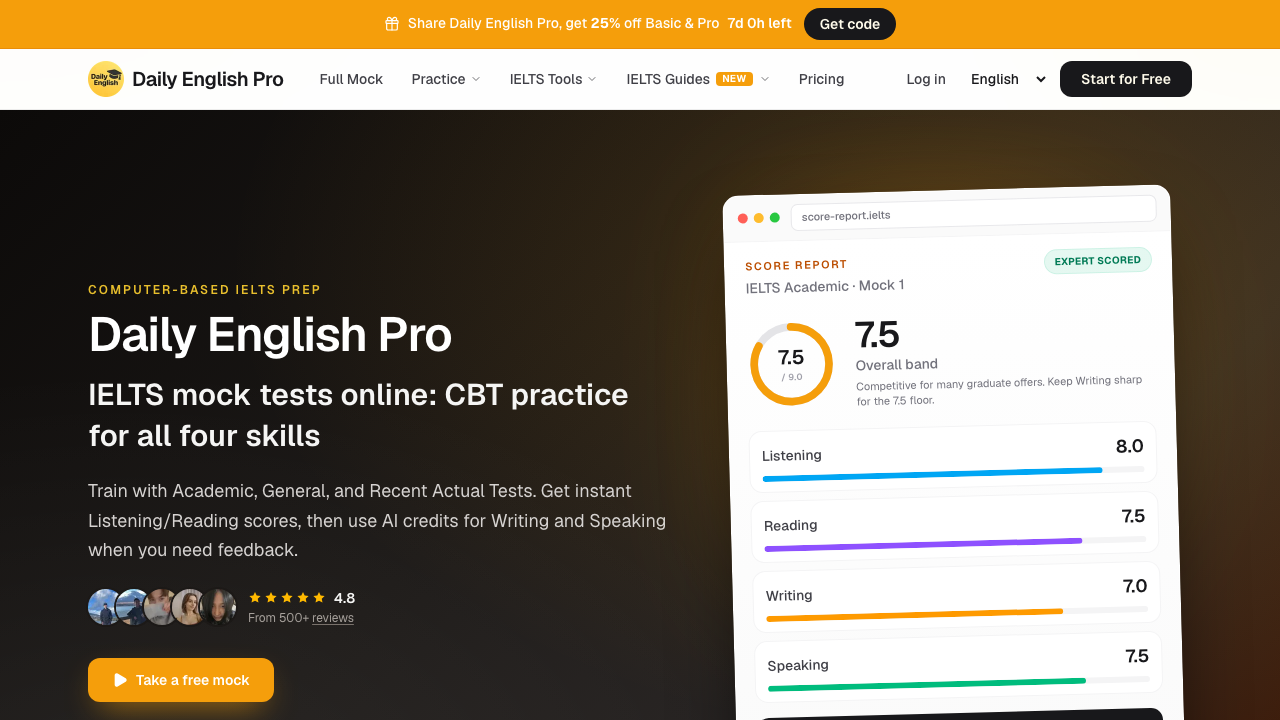
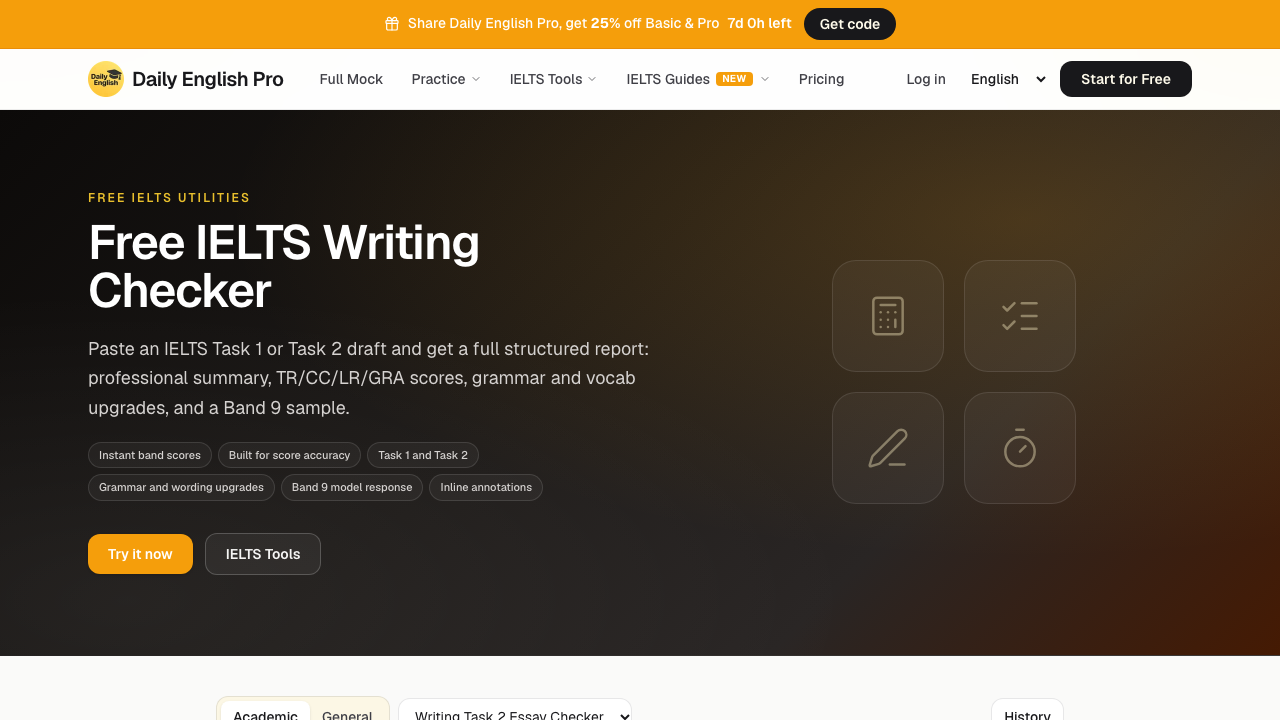
Daily English Pro is one option among several. It fits learners who want timed CBT-style mock tests, section practice and tools in one place. It does not fit someone who mainly needs a live tutor. Honest fit beats a feature list.
| If this is true | Prioritise | Example starting point |
|---|---|---|
| Test is within 4 weeks | Timed mocks and error review | Mock tests |
| Writing is the floor skill | Criterion-based feedback | Writing Checker |
| Budget is tight | Free tips plus free timed practice | IELTS Liz and free practice |
| Not sure of rules or fees | Official sources first | IELTS.org and your local booking site |
| Need live conversation | Tutor or partner | Pair with Speaking practice |
A seven-point scorecard
Score any platform from 0 to 2 on each line below, including Daily English Pro. A total of 10 or more is usually a good fit. Below 7, keep looking or use it only for one narrow job.
- Exam fidelity: timing, layout and question styles match your test mode
- Skill coverage: all four skills, or at least your weak one
- Feedback depth: explanations, not only right or wrong
- Content volume: enough fresh material for your timeline
- Pricing clarity: free limits and refund terms are easy to find
- Source authority: official, publisher-backed or clearly independent
- Habit fit: you will actually open it on a tired Tuesday
Official sources: the starting layer
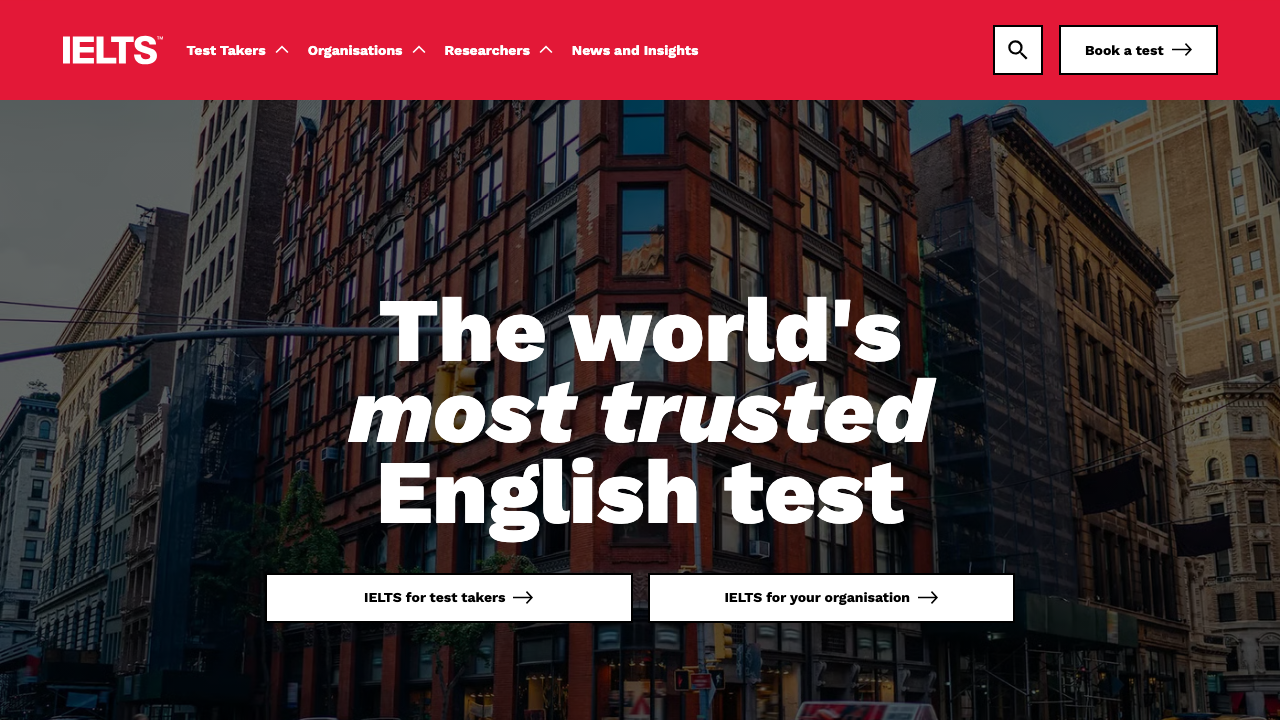
Every candidate needs at least one official source, because fees, ID rules, retake options and result timelines vary by country. IELTS.org gives the global picture.
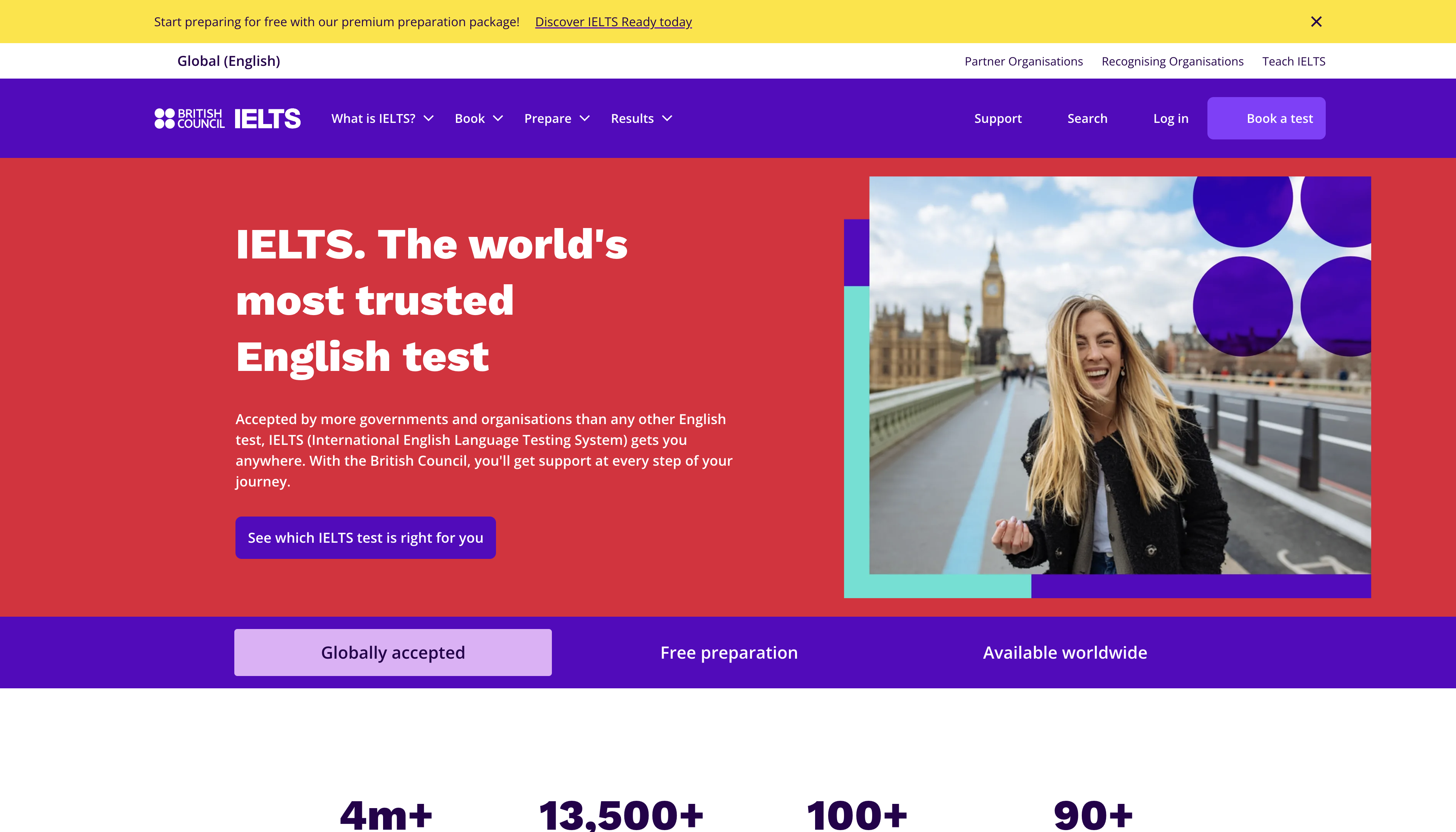
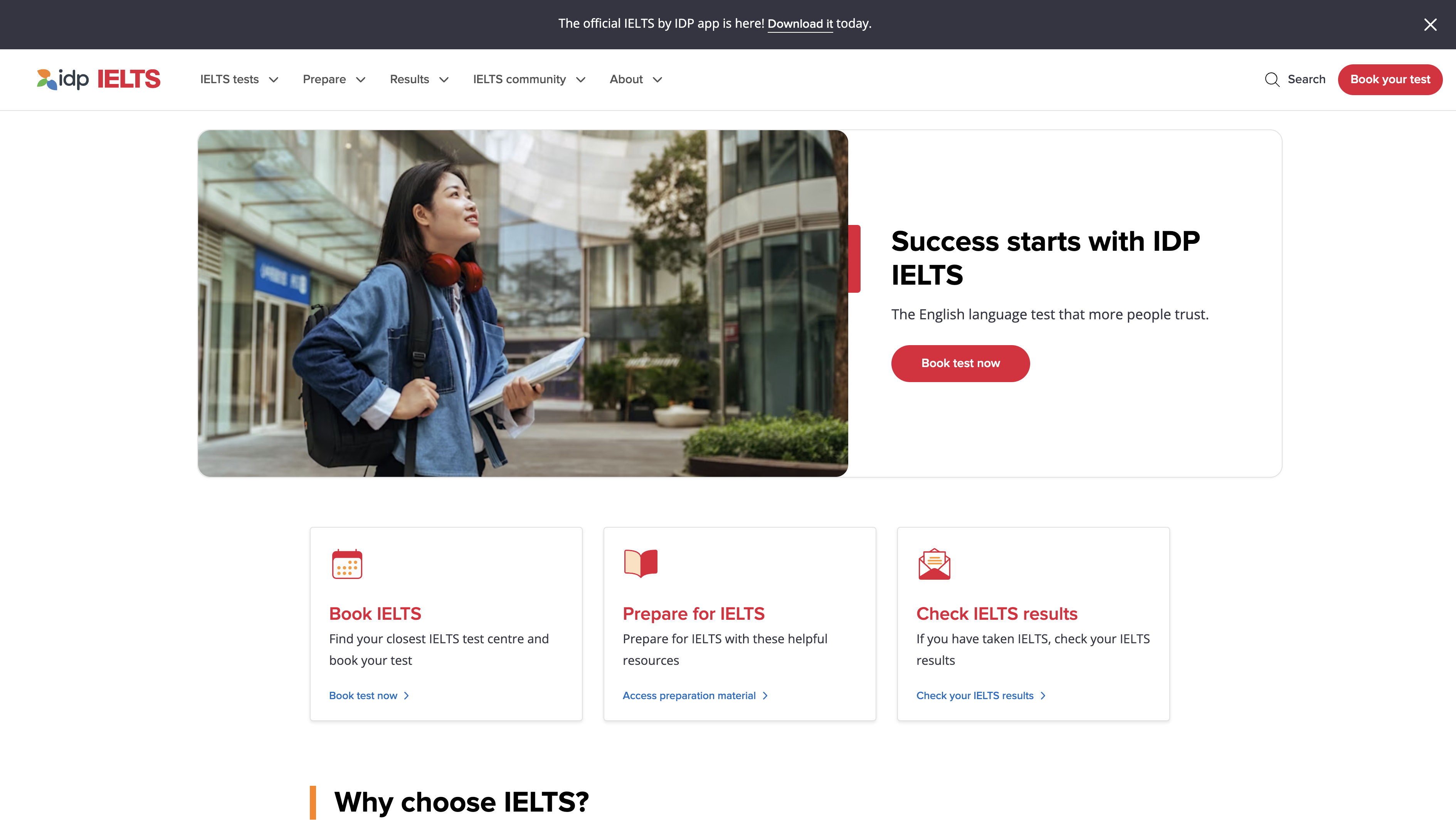
Your booking site depends on where you test. The British Council and IDP each handle registration in their markets, and each publishes some preparation help. Neither replaces a large practice library, but both are the final word on policy. See our booking guide and fees by country.
Practice and strategy layers
For volume, look for timed practice that you can repeat. Daily English Pro covers Listening, Reading, Writing and Speaking, plus the Writing Checker. Compare free and paid limits on pricing.
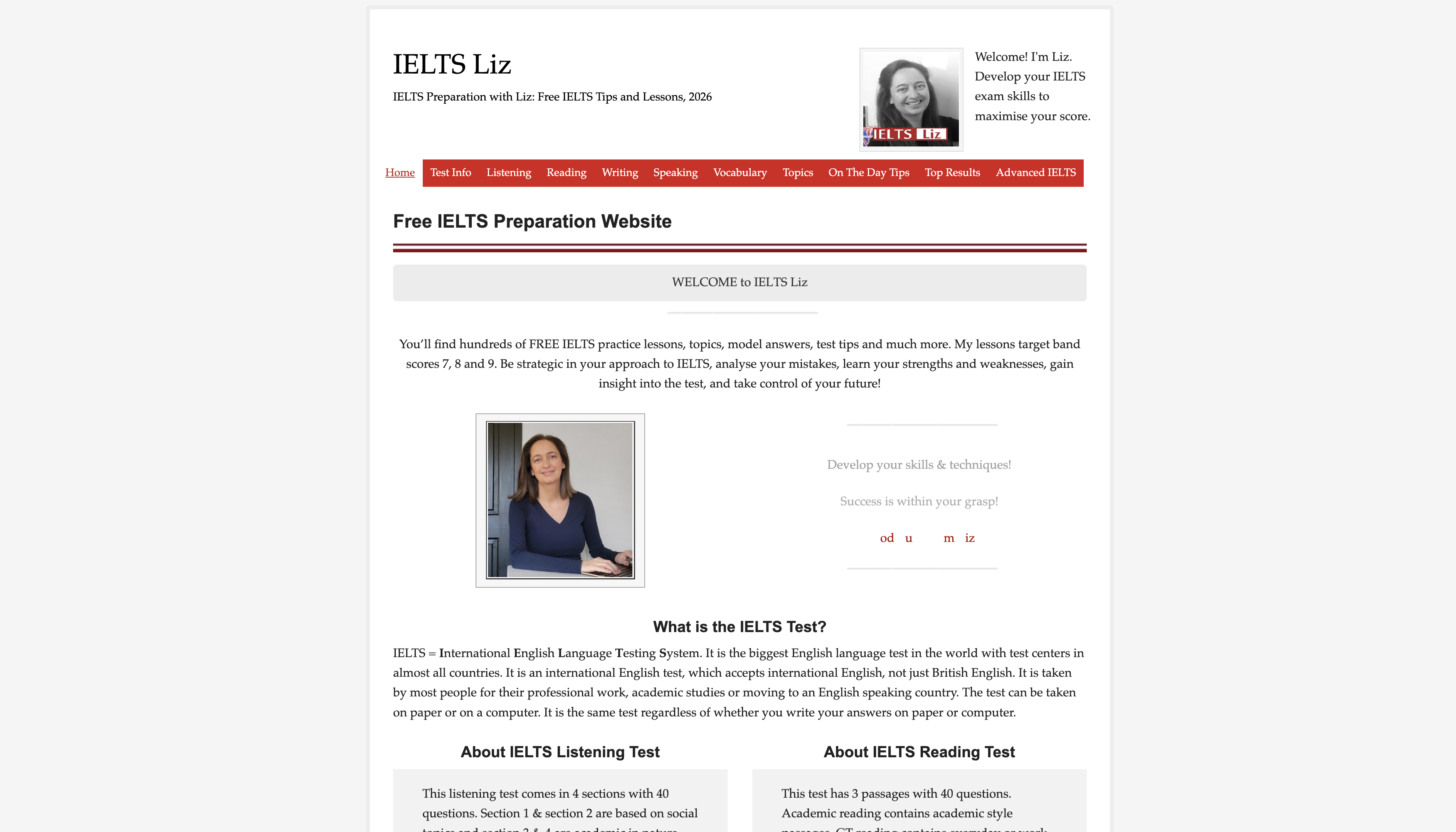
For method, IELTS Liz is a popular free option with lessons by question type. It teaches; it does not simulate a computer-based exam.
Learn
Strategy-first stack
Best when you do not yet know the question types.
- •Tip site lessons
- •Official format pages
- •A few timed drills
Train
Practice-first stack
Best when you know the methods and need timing and volume.
- •CBT-style mocks
- •Section drills
- •Writing feedback loop
Red flags to watch for
- Guaranteed band scores or "leaked" real exam questions
- No visible description of how Writing or Speaking scores are produced
- Unclear subscription terms or hard-to-find cancellation steps
- Only video lessons, with no timed practice
- Claims of being official when there is no partnership with IELTS owners
Daily English Pro is not an official IELTS partner and does not promise scores. Where we give estimates, we say they are estimates. Ask the same of every platform you compare.
Make the decision in one afternoon
- 1Write your four factsTarget band, test date, weakest skill, test mode.
- 2Shortlist three optionsOne official source, one practice platform, one strategy source.
- 3Try each free layerTake one timed section or a mock and read one lesson.
- 4Score with the scorecardPick the highest total. Re-check pricing on the live site.
- 5Commit for two weeksSet a calendar from the 30/60/90 plan and review results at day 14.
Common choice mistakes
- Buying the biggest course before you know your floor skill
- Choosing by influencer discount instead of a timed trial
- Collecting five apps that all teach Part 2 and none that mark Reading
- Ignoring computer versus paper fit
- Paying for live tutoring when your only gap is Listening spelling
- Abandoning a platform after one bad mock without reviewing errors
Write the decision criteria down before you open pricing pages. Marketing is designed to reorder your priorities.
How to combine a small stack with Daily English Pro
A practical stack for most candidates: IELTS.org or your booking site for rules, Daily English Pro for timed mock tests and section practice, and one strategy source such as IELTS Liz or our Guides hub. Add a tutor only for Writing or Speaking polish.
| Layer | Job | Daily English Pro fit |
|---|---|---|
| Official | Fees, ID, format, descriptors | Link out; we are not the booking authority |
| Practice | Timers, mocks, drills | Mocks, practice sections, tools |
| Strategy | Question-type methods | Guides plus one external tip site if you like |
| Human | Borderline Writing or Speaking feedback | Use after tools narrow the issue |
Frequently asked questions
Do I need a paid platform to reach band 7?+
Not necessarily. Many learners succeed with free tools plus discipline. Paid plans help most when you run out of fresh papers or need repeated feedback.
Is it better to use one platform or several?+
Use a small stack: one official source, one practice platform, one strategy source. More than that usually causes overlap.
How do I know if a platform matches the real test?+
Compare timing, question types and layout against official format pages on IELTS.org. Take a free sample before you pay.
Should I change platforms if my score is flat?+
First check whether you are reviewing errors. A new platform will not fix a missing review habit.